Revolutionizing Agriculture: The Power of Precision Agriculture Technologies
Introduction:
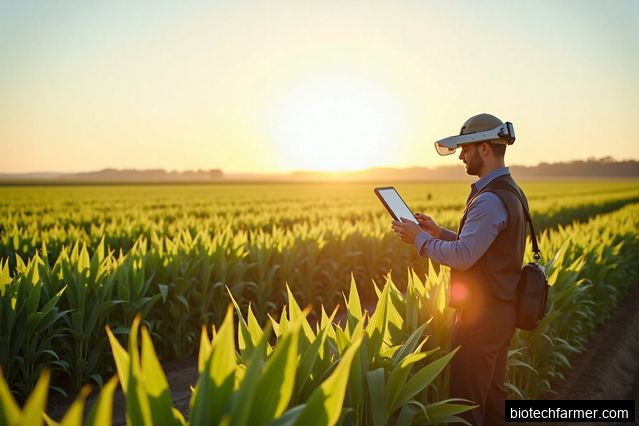
The world of agriculture is changing rapidly, thanks to advancements in technology. Gone are the days of traditional farming methods that relied solely on intuition and guesswork. In today's agricultural landscape, precision agriculture technologies are at the forefront of innovation, offering farmers unprecedented control over their operations. By harnessing the power of data, sensors, and cutting-edge tools, farmers can optimize their resources, reduce waste, and increase crop yields. In this article, we will delve into the world of precision agriculture and explore the transformative technologies that are revolutionizing the way we farm.Main Content:
Section 1: The Rise of Precision Agriculture
#### Harnessing the Power of Data Precision agriculture is built on the foundation of data. By collecting and analyzing vast amounts of information, farmers can gain valuable insights into their fields, crops, and resources. Sensors installed in the soil, drones equipped with multi-spectral cameras, and satellite imagery provide real-time data on crop health, soil moisture levels, temperature variations, and even pest infestations. With this information at their fingertips, farmers can make informed decisions and take targeted actions to maximize productivity while minimizing environmental impacts.#### The Role of Artificial Intelligence As the volume of data in agriculture continues to grow, so does the need for advanced analytics. Artificial intelligence (AI) algorithms can process massive datasets and identify patterns and correlations that would be impossible for humans to detect. By using AI-powered analytics, farmers can gain actionable insights into plant health, nutrient deficiencies, and crop diseases. This allows for precise interventions, such as targeted fertilizer applications and disease management strategies, minimizing waste and maximizing crop health.
#### Internal link suggestion: Read our detailed guide on the role of AI in precision agriculture to learn more.
Section 2: Sensors: The Eyes and Ears of Precision Agriculture
#### Remote Sensing for Crop Monitoring One of the key components of precision agriculture is remote sensing. By utilizing sensors and cameras mounted on satellites, drones, and ground-based systems, farmers can monitor their crops from a bird's eye view. This real-time monitoring allows for the early detection of stress factors, such as water shortages or nutrient deficiencies, enabling farmers to respond promptly and minimize crop losses. The data collected by these sensors can also be used to create precise application maps, ensuring that fertilizers and pesticides are applied only where needed, reducing waste and environmental impact.#### Soil Sensors and Precision Irrigation Healthy soils are the foundation of successful agriculture. Soil sensors, capable of measuring moisture levels, temperature, and nutrient content, provide farmers with vital information about the condition of their soil. Coupled with precision irrigation systems, these sensors allow farmers to deliver water and nutrients directly to the roots of plants, ensuring optimal plant health while conserving water resources.
#### Internal link suggestion: Explore our comprehensive guide on soil health and learn how soil sensors can improve your farm's productivity.
Section 3: Drones: Unleashing the Power of Aerial Data
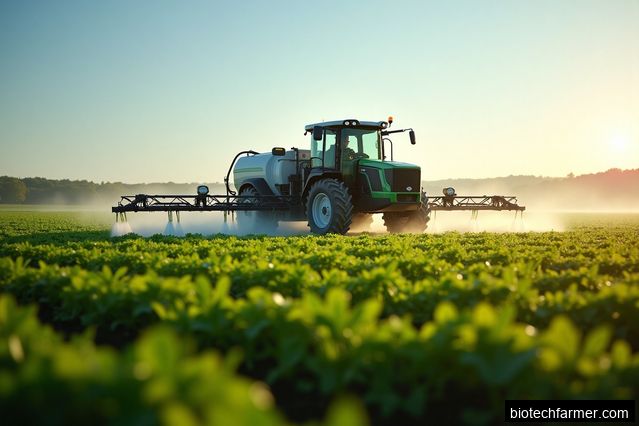
#### Aerial Imaging for Crop Health Assessment Drones equipped with high-resolution cameras and thermal sensors have become invaluable tools in precision agriculture. By capturing detailed images of fields, drones can reveal hidden patterns that are not visible to the naked eye. These images can be analyzed to detect anomalies, such as pest infestations, weed growth, or crop diseases. Armed with this information, farmers can take immediate action and selectively target interventions, minimizing the use of pesticides and herbicides.#### Crop Dusting and Planting In addition to crop monitoring, drones have also revolutionized the way we apply inputs and plant crops. Equipped with spray nozzles or seed dispensers, drones can precisely apply fertilizers, pesticides, or herbicides, reducing overspray and minimizing environmental contamination. This targeted approach not only saves resources but also reduces the labor-intensive manual application of chemicals.
#### Internal link suggestion: Discover more about the applications of drones in precision agriculture in our in-depth article.
Section 4: Data Analytics: From Numbers to Insights
#### Farm Management Software Integrating the data collected from sensors and drones into a comprehensive farm management system is a key aspect of precision agriculture. Farm management software provides farmers with a centralized platform to store all their data, perform data analytics, and generate actionable reports. By analyzing historical and real-time data, farmers can identify trends, track crop performance, and make informed decisions about planting, harvesting, and resource allocation.#### Yield Forecasting and Harvest Planning Real-time data analytics also enable farmers to forecast crop yields accurately. By combining data on weather conditions, historical yields, and plant health, farmers can predict potential crop outcomes and adjust their plans accordingly. This allows for efficient harvest planning, optimizing labor and storage requirements.
#### Internal link suggestion: Learn how data analytics can transform your farm operations with our comprehensive guide.
Section 5: The Future of Precision Agriculture
#### The Growth of Robotics and Automation As technology continues to advance, the future of precision agriculture lies in robotics and automation. Autonomous vehicles, capable of performing tasks such as planting, weeding, or harvesting, are already being developed and tested. These machines, guided by AI algorithms and equipped with advanced sensors, have the potential to revolutionize farming by reducing labor costs and increasing efficiency.#### The Role of Blockchain in Traceability Blockchain technology is another exciting development in precision agriculture. By utilizing distributed ledger technology, farmers can securely record and track every step of their supply chain, from planting to the consumer's plate. This enhances traceability, ensuring transparency and trust in the food system.
#### Internal link suggestion: Get a glimpse into the future of precision agriculture and the role of blockchain technology by reading our forward-looking article.
Conclusion:
Precision agriculture technologies are transforming the farming industry, enabling farmers to optimize resources, increase efficiency, and enhance sustainability. By harnessing the power of data, sensors, drones, and analytics, farmers can make data-driven decisions and achieve higher crop yields while minimizing environmental impact. Stay at the forefront of innovation with BiotechFarmer.com, your go-to resource for the latest trends, insights, and tools in precision agriculture. Explore our comprehensive guides, stay informed with our blog updates, and connect with fellow farmers in our community forum. Together, let's shape the future of farming and secure the future of food production worldwide.Internal link suggestion: Ready to explore more precision agriculture topics? Visit our precision agriculture category page.