Unleashing the Power of Biotechnology: Revolutionizing Soil Health for Sustainable Farming
Discover how biotechnology is transforming soil health in agriculture. Learn about innovative biotech methods, such as microbial enhancements and gene editing, that are driving sustainable farming practices. Explore the significant role of biotechnology in improving soil fertility, nutrient management, and crop resilience. Join the biotech revolution and unlock the potential of your soil with BiotechFarmer.com.
Introduction:
In today's rapidly evolving world of agriculture, where the global population continues to grow, farmers face mounting challenges to produce enough food while preserving the environment. Fortunately, biotechnology has emerged as a game-changer, revolutionizing farming practices and offering sustainable solutions. At the forefront of this agricultural revolution is BiotechFarmer.com, a pioneering platform dedicated to advancing agriculture through biotechnology, designed for modern farmers, agricultural professionals, and biotech enthusiasts like you.Section 1: The Importance of Soil Health
The Foundation of Sustainable Agriculture
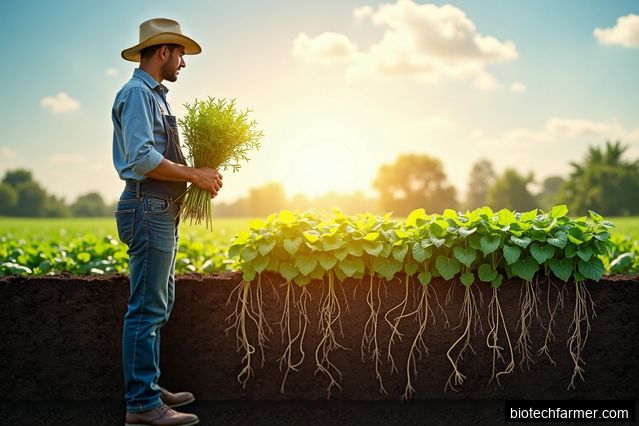
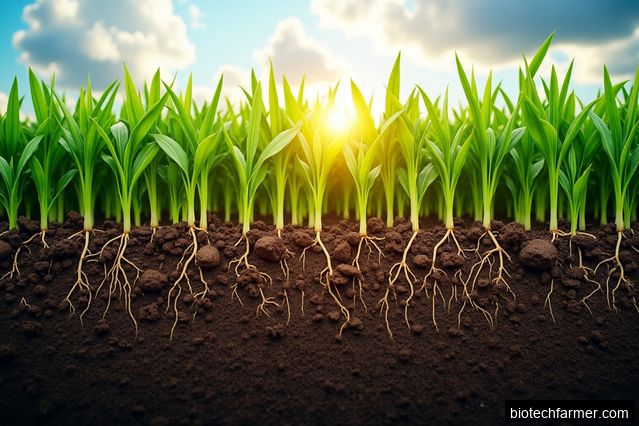
To understand the significant role of biotechnology in soil health, it's essential to recognize the fundamental importance of healthy soil for sustainable farming. Soil is not just a medium for plant growth; it's a complex ecosystem teeming with millions of microorganisms, nutrients, and organic matter. Sadly, traditional farming practices, such as excessive tilling, overuse of chemical fertilizers, and monocropping, have caused widespread degradation of soil health. This has led to reduced crop productivity, increased susceptibility to pests and diseases, and environmental damage.Harnessing the Power of Biotechnology
Biotechnology brings a fresh perspective to soil health management by offering innovative solutions that enhance soil fertility, nutrient cycling, and overall ecosystem balance. Through biotech advancements, farmers can now tap into the power of nature to restore soil health with precision and efficiency. By leveraging beneficial microorganisms, optimizing nutrient availability, and promoting soil organic matter, biotechnology is transforming soil from a depleted resource to a thriving ecosystem.Internal link suggestion: To learn more about the basics of soil health, check out our comprehensive guide here.
Section 2: Microbial Enhancements for Soil Fertility
The Microbes Beneath Our Feet
Within the vast expanse of soil, a hidden army of microorganisms works tirelessly to sustain life. These soil microbes play a crucial role in nutrient cycling, disease suppression, and plant growth promotion. They help break down organic matter, fix atmospheric nitrogen, and make essential nutrients available to plants. Biotechnology harnesses the power of these beneficial microorganisms to optimize soil fertility and improve crop productivity.Biofertilizers: Boosting Soil Health Naturally
Traditional chemical fertilizers, although effective in supplying plant nutrients, often pose environmental risks and deplete the soil's biological activity. However, biotech offers a sustainable alternative—biofertilizers. These inoculants contain specific strains of nitrogen-fixing bacteria, phosphate solubilizing bacteria, or mycorrhizal fungi that enhance nutrient availability and plant nutrient uptake. Moreover, biofertilizers improve soil texture and structure, reduce reliance on synthetic fertilizers, and contribute to overall soil health restoration.Internal link suggestion: Discover the secrets of biofertilizers and their application techniques in our detailed article here.
Section 3: Precision Nutrient Management through Biotechnology
From Guesswork to Data-Driven Decisions
Traditionally, nutrient management in farming relied on generalized practices, leading to inefficient use of fertilizers, excess nutrient runoff, and environmental contamination. However, biotechnology introduces precision nutrient management tools, enabling farmers to make data-driven decisions. These advanced technologies integrate real-time soil and crop monitoring, weather data, and computer algorithms to optimize nutrient application, minimizing waste and maximizing crop yield.Smart Fertilizers: The Future of Nutrient Delivery
Biotech innovations have fostered the development of smart fertilizers that release nutrients to plants in a controlled manner, matching their precise requirements. These intelligent fertilizers use nanotechnology or polymer coatings to regulate nutrient release based on environmental conditions, plant growth stage, and soil nutrient levels. By providing nutrients gradually and precisely, smart fertilizers reduce nutrient loss, increase fertilizer use efficiency, and enhance soil health.Internal link suggestion: Dive into the world of precision nutrient management techniques with our comprehensive guide here.
Section 4: Gene Editing for Improved Crop Resilience
Empowering Crops to Overcome Challenges
Extreme weather events, evolving pests and diseases, and changing climate patterns pose significant threats to crop production. However, biotechnology offers a powerful tool to enhance crop resilience—gene editing. By precisely modifying plant DNA, scientists can confer desirable traits that help crops withstand challenges, such as drought tolerance, disease resistance, and increased nutrient utilization. Gene editing accelerates the breeding process, enabling the development of resilient crop varieties faster than traditional methods.Building a Resilient Future
Gene-edited crops hold immense potential to address pressing agricultural challenges. By harnessing biotech tools like CRISPR-Cas9, scientists can target specific genes responsible for desirable traits, making crop improvement more efficient and precise. This technology enables the development of climate-smart varieties that can adapt to the changing environment, reduce chemical inputs, and enhance sustainable farming practices. BiotechFarmer.com provides in-depth coverage of gene editing applications and its implications for modern agriculture.Internal link suggestion: Learn more about gene editing and its applications in agricultural crops by exploring our insightful article here.
Section 5: Biotechnology and Sustainable Agriculture: A Promising Future
A Paradigm Shift in Farming Practices
Biotechnology holds the key to a more sustainable future for agriculture. With its transformative potential in soil health management, nutrient optimization, and resilient crop breeding, biotech innovations pave the way for a shift from unsustainable practices to ecologically mindful farming. By leveraging the power of biotechnology, farmers can increase productivity, reduce environmental impact, and contribute to global food security.Internal link suggestion: Find out more about how biotechnology is driving sustainable agriculture in our comprehensive guide here.
Conclusion:
As the agricultural landscape undergoes a revolutionary transformation, biotechnology emerges as a powerful ally in the quest for sustainable farming. By focusing on soil health through the application of microbial enhancements, precision nutrient management, and gene editing for improved crop resilience, biotechnology is empowering farmers to embrace more efficient and sustainable practices. Join the biotech revolution and explore the limitless possibilities of soil health optimization with BiotechFarmer.com—the ultimate platform for modern farmers, agricultural professionals, and biotech enthusiasts alike.[Call-to-action sentence: Visit BiotechFarmer.com today and revolutionize your farming practices!]