Embracing Sustainable Farming Practices for a Greener Future
Introduction:
As the global population continues to grow, ensuring sustainable food production is one of the greatest challenges of our time. Fortunately, biotechnology is playing a pivotal role in transforming farming practices to meet this demand while minimizing the environmental impact. BiotechFarmer.com is at the forefront of this revolution, providing farmers and agricultural professionals with the resources and insights needed to adopt sustainable farming practices.Main Content:
Section 1: Precision Farming for Optimal Resource Management
#### Enhancing Crop Productivity through Data-driven Decisions
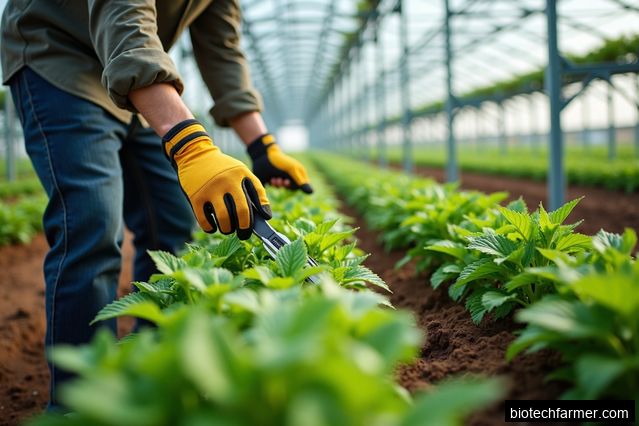
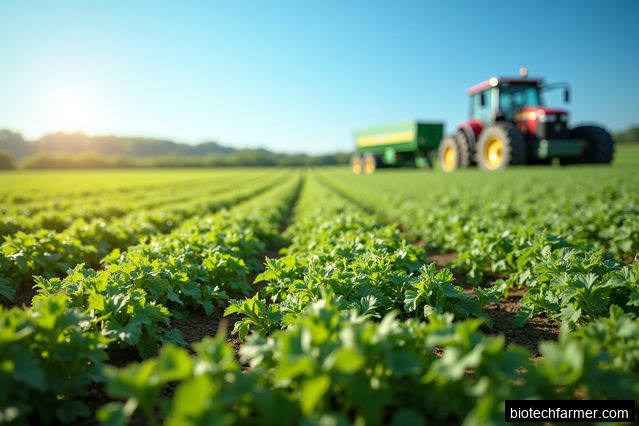
Precision farming, also known as site-specific agriculture, is an innovative approach that uses technology to optimize resource allocation and maximize crop yields. By employing tools such as sensors, drones, and GPS technology, farmers can gather valuable data on soil moisture, nutrient levels, and crop growth. This information allows them to make precise, data-driven decisions, optimizing the use of water, fertilizers, and other resources.
Section 2: Organic Cultivation: Nurturing Soil Health and Biodiversity
#### The Power of Sustainable Soil Management
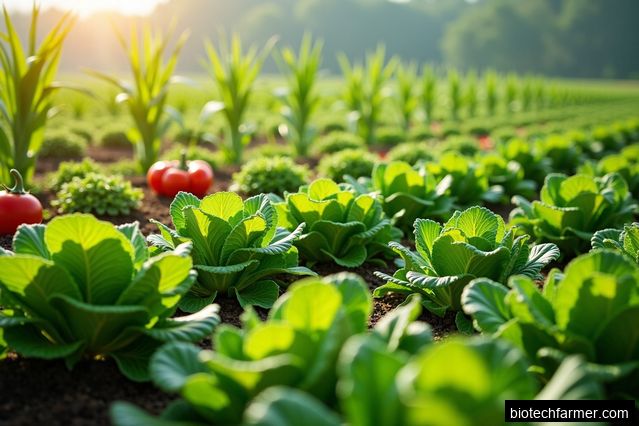
Soil health is the foundation of sustainable agriculture. By adopting organic cultivation practices, farmers not only nurture the fertility and structure of the soil but also protect its biodiversity. Organic farming eliminates the use of synthetic fertilizers and pesticides, relying instead on natural amendments and biological pest control methods. This approach helps maintain a delicate balance in the ecosystem, promoting beneficial organisms such as earthworms and reducing soil erosion.
Section 3: Conservation Agriculture: A Holistic Approach to Sustainability
#### Cultivating Resilient Farms for the Future
Conservation agriculture is a holistic approach that focuses on preserving the overall health of the farming ecosystem. It involves minimizing soil disturbance, promoting crop rotation, and adopting cover cropping techniques. These practices help reduce the risk of erosion, increase organic matter content, and enhance water infiltration rates. As a result, conservation agriculture not only improves yields, but also reduces the reliance on chemical inputs and conserves natural resources.
Conclusion:
Sustainable farming practices are no longer a mere trend; they are essential for the future of agriculture. Precision farming empowers farmers to optimize resource management, boosting productivity while reducing waste. Organic cultivation methods safeguard soil health and biodiversity, ensuring long-term sustainability for future generations. Conservation agriculture takes a holistic approach, minimizing environmental impact and fostering resilient farming systems.
By embracing these sustainable practices, farmers can contribute to a greener future, while also reaping the benefits of higher yields, improved soil health, and reduced input costs. BiotechFarmer.com provides the knowledge, tools, and community support necessary to make this transition successfully. Join the movement and revolutionize your farming practices for a sustainable and prosperous future.
[Learn more about precision farming](insert internal link to precision farming article)
[Explore the benefits of organic cultivation](insert internal link to organic cultivation article)
[Read about the principles of conservation agriculture](insert internal link to conservation agriculture article)